
OmniTrust Blog
Recent Posts
- Lifecycle Lessons
Certificates, keys, and secrets need lifecycle governance — but the platform providing it has always carried its own operational cost. The updated open-source ILM operator collapses that cost into two declared Kubernetes resources: one for the whole platform, one per connector. Tested upgrade bundles, continuous reconciliation, and declarative coverage of every place your cryptographic assets live.
- Roman Cinkais
- Certificate Lifecycle & Automation, Executive Viewpoints, PKI & Cryptographic Governance
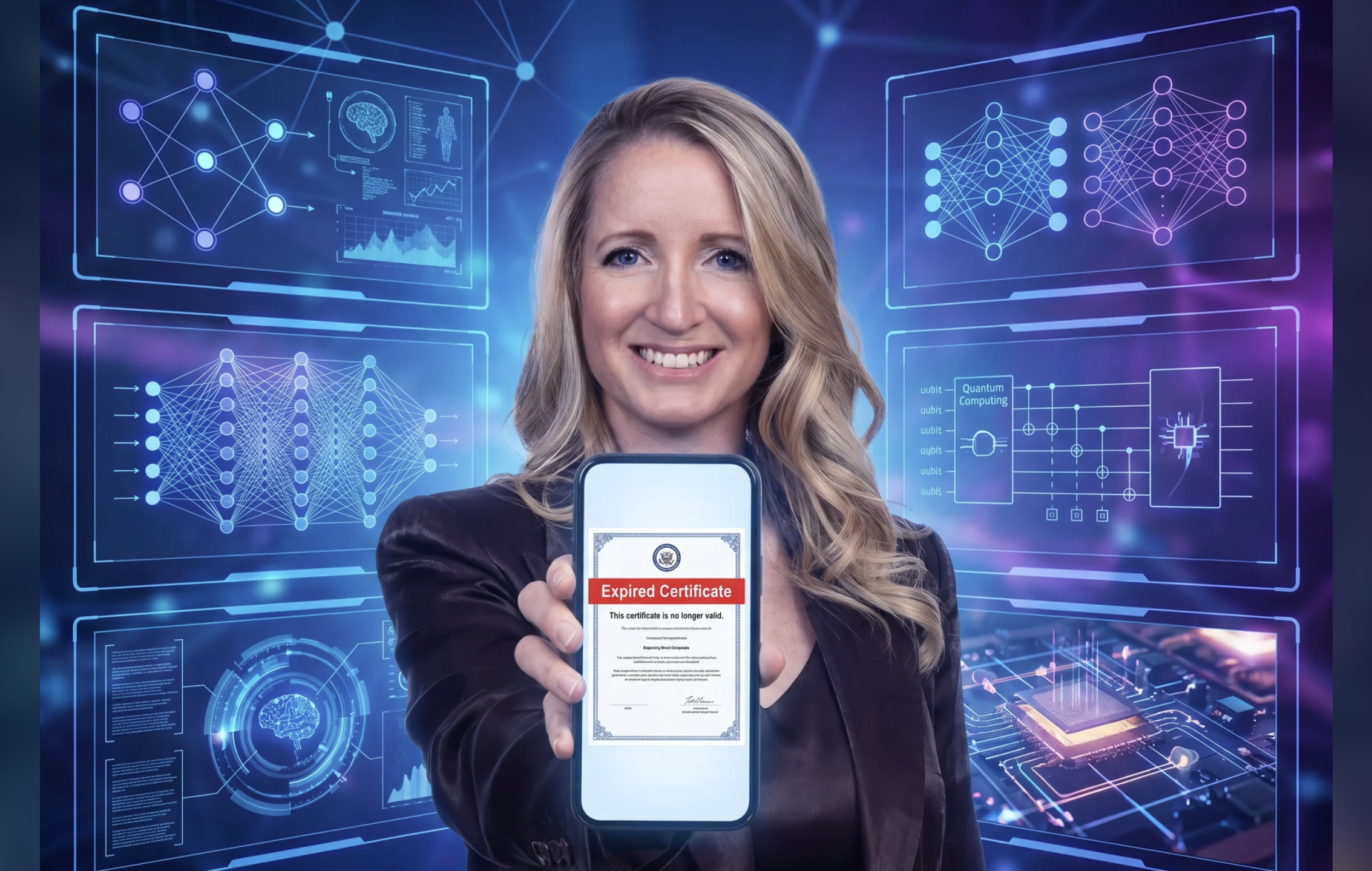
AI is taking over the world… so why are expired certificates still taking down companies in 2026? In a world of AI agents and quantum computing, organizations are still being brought down by expired certificates. How is that possible? OmniTrust’s Sam Delsing unpacks one of cybersecurity’s most embarrassing secrets: why certificate expiration is still causing outages in 2026.
- NP Nick Parnaby
- AI & Agentic Security, Executive Viewpoints
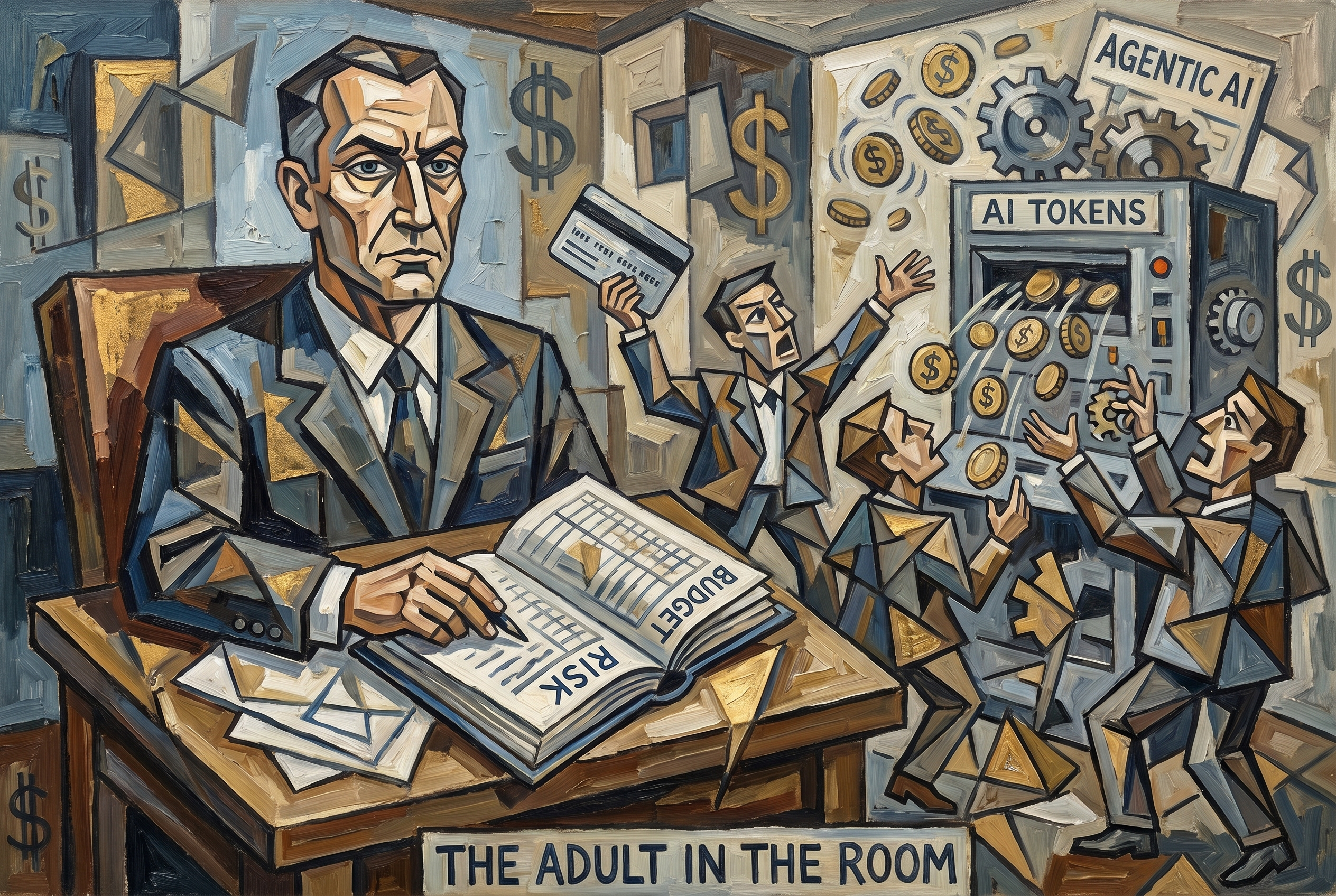
AI is spreading across enterprises faster than governance, finance, and cybersecurity teams can control it. Shadow AI, runaway token spend, and autonomous agents are forcing CIOs and CISOs into a new role: not AI blockers, but the adults in the room helping businesses discover, control, optimize, and safely scale AI before operational chaos arrives.
- NP Nick Parnaby
- PKI & Cryptographic Governance
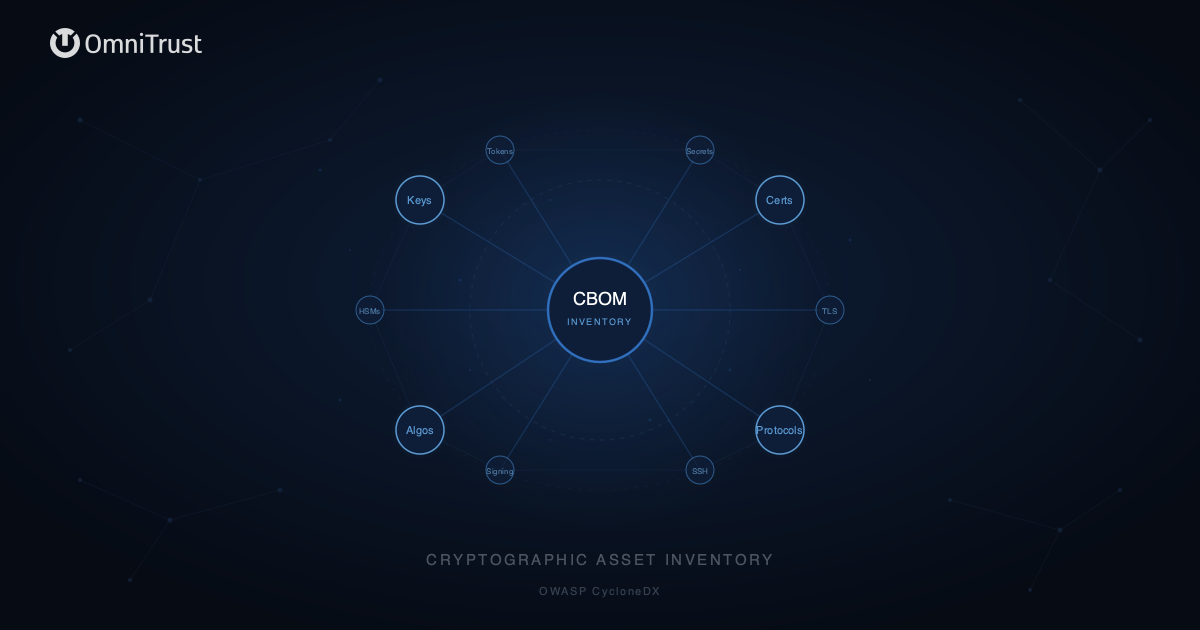
You cannot migrate to post-quantum cryptography without knowing what cryptographic assets you have. This post walks through the three-step process for building a comprehensive inventory — discovery, metadata collection, and structured cataloging — and explains how the Cryptography Bill of Materials (CBOM) standard from OWASP CycloneDX provides a standardized format for the result. Includes a comparison of open-source CBOM tooling.
- Roman Cinkais
- PKI & Cryptographic Governance
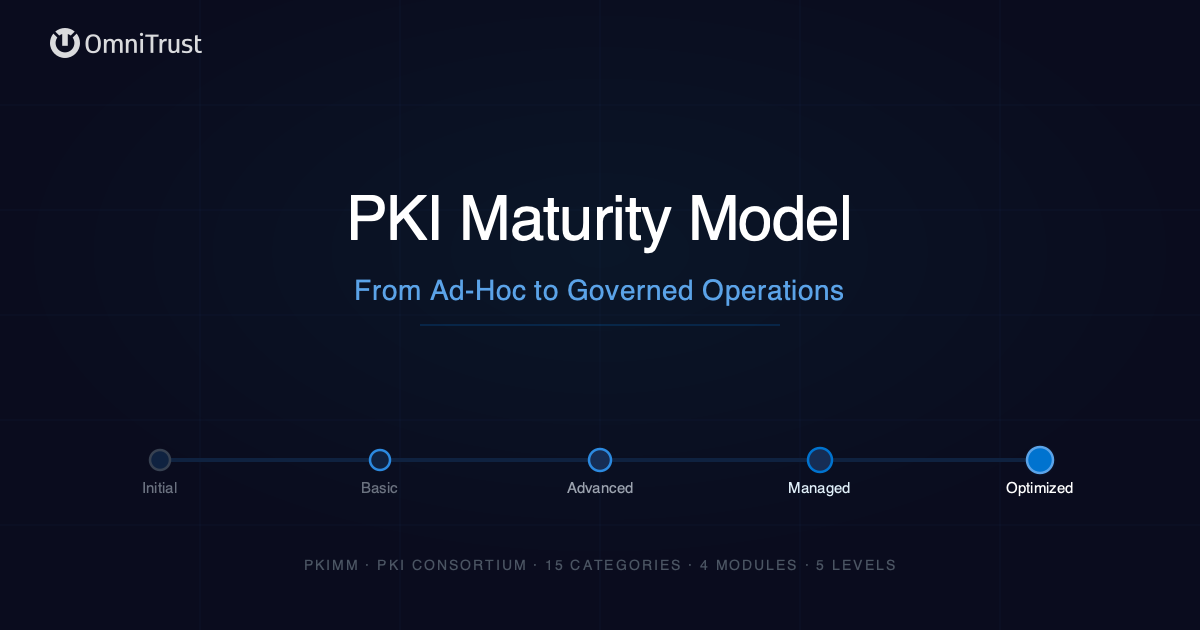
Most PKI environments grow organically without structured governance. The PKI Maturity Model (PKIMM), developed by the PKI Consortium, provides a CMMI-based assessment across 15 categories in four modules — Governance, Management, Operations, and Resources. It gives PKI architects a measurable way to identify gaps and build a concrete improvement roadmap.
- Roman Cinkais
- Lifecycle Lessons
Certificates, keys, and secrets need lifecycle governance — but the platform providing it has always carried its own operational cost. The updated open-source ILM operator collapses that cost into two declared Kubernetes resources: one for the whole platform, one per connector. Tested upgrade bundles, continuous reconciliation, and declarative coverage of every place your cryptographic assets live.
- Roman Cinkais
- Certificate Lifecycle & Automation, Executive Viewpoints, PKI & Cryptographic Governance
AI is taking over the world… so why are expired certificates still taking down companies in 2026? In a world of AI agents and quantum computing, organizations are still being brought down by expired certificates. How is that possible? OmniTrust’s Sam Delsing unpacks one of cybersecurity’s most embarrassing secrets: why certificate expiration is still causing outages in 2026.
- NP Nick Parnaby
- AI & Agentic Security, Executive Viewpoints
AI is spreading across enterprises faster than governance, finance, and cybersecurity teams can control it. Shadow AI, runaway token spend, and autonomous agents are forcing CIOs and CISOs into a new role: not AI blockers, but the adults in the room helping businesses discover, control, optimize, and safely scale AI before operational chaos arrives.
- NP Nick Parnaby
- PKI & Cryptographic Governance
You cannot migrate to post-quantum cryptography without knowing what cryptographic assets you have. This post walks through the three-step process for building a comprehensive inventory — discovery, metadata collection, and structured cataloging — and explains how the Cryptography Bill of Materials (CBOM) standard from OWASP CycloneDX provides a standardized format for the result. Includes a comparison of open-source CBOM tooling.
- Roman Cinkais
- PKI & Cryptographic Governance
Most PKI environments grow organically without structured governance. The PKI Maturity Model (PKIMM), developed by the PKI Consortium, provides a CMMI-based assessment across 15 categories in four modules — Governance, Management, Operations, and Resources. It gives PKI architects a measurable way to identify gaps and build a concrete improvement roadmap.
- Roman Cinkais
- Trust Lifecycle Management
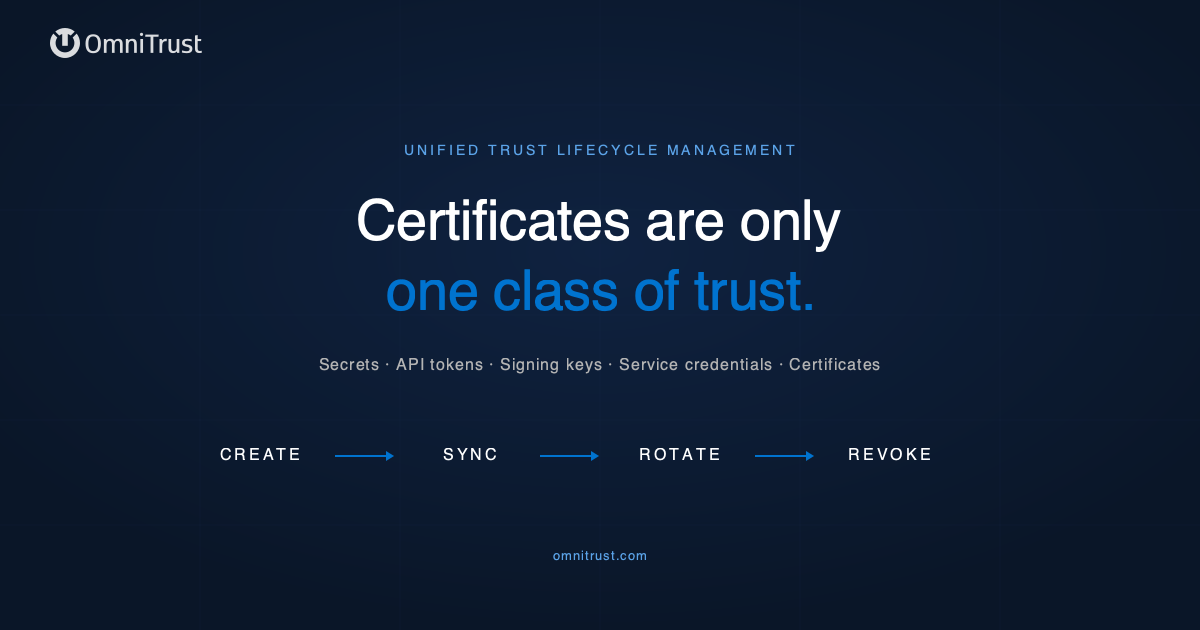
Certificates get lifecycle governance — renewal dates, revocation policies, audit trails. API tokens, service credentials, and signing keys rarely get the same treatment, even though they carry equivalent trust. This post explains why trust lifecycle management must cover every artifact that confers trust, not just X.509. The answer is not replacing Vault or AWS Secrets Manager, but adding a unified governance plane above them: one inventory, one policy, one audit stream.
- Roman Cinkais
Popular Tags
Subscribe
Subscribe for Trust and Security Insights
Receive the latest OmniTrust blog posts, expert insights, and digital trust updates directly in your inbox.