Over the years, I’ve had countless conversations with customers, partners, and security leaders about the future of trust infrastructure. Lately, one question comes up more than any other:
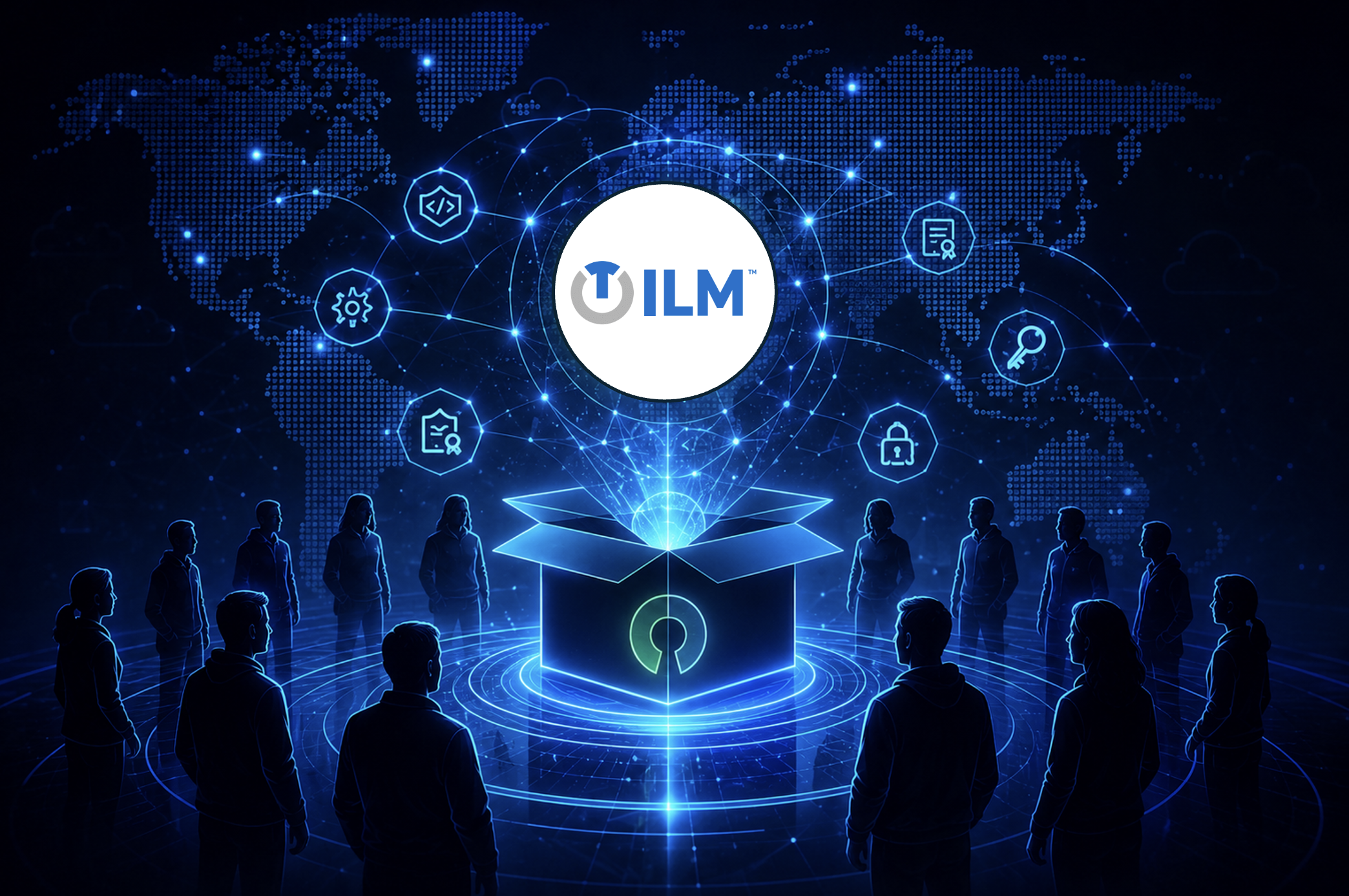
“Why did OmniTrust choose to open-source ILM?”
It’s a fair question. The answer goes beyond open source. It’s about what the future of trust infrastructure requires. During that time, I’ve watched trust infrastructure evolve from a back-office security function into critical operational infrastructure.
Today, trust infrastructure extends far beyond certificates. It spans cloud platforms, software supply chains, machine identities, cryptographic keys, secrets, digital signatures, containers, APIs, and increasingly, AI-driven systems. Every new application, service, workload, and device adds another layer of complexity. Organizations are preparing for post-quantum cryptography, adapting to shorter certificate lifetimes, and automating trust operations at a scale that would have been difficult to imagine only a few years ago.
As trust infrastructure becomes more interconnected, managing each component independently is no longer enough. Organizations need a unified approach to managing, integrating, governing, and automating trust infrastructure across the enterprise. That’s what ultimately led us to open-source ILM.
Why Open Source?
We chose to build ILM in the open because we believe that’s how trust infrastructure will evolve. Trust doesn’t exist in isolation. It spans certificate authorities, PKI platforms, vaults, HSMs, cloud providers, software supply chains, enterprise applications, and technologies that continue to emerge. No single organization can anticipate every integration, every deployment model, or every operational requirement.
Open source creates a foundation for continuous innovation. It enables organizations to extend capabilities, build new integrations, automate new workflows, and adapt as trust infrastructure continues to evolve. The result isn’t just better software. It’s a stronger, more connected trust ecosystem. That’s how we believe the future of trust infrastructure and trust automation will be built.
Why ILM Exists
When we started building ILM, we recognized that many organizations weren’t simply struggling to manage certificates. They were struggling to manage the entire lifecycle of cryptographic assets. Certificates, cryptographic keys, secrets, digital signatures, signing operations, cryptographic discovery, inventory, policy enforcement, and automation all influence the integrity of modern systems, yet they’re often managed through disconnected tools and separate operational processes.
ILM was designed to bring those capabilities together under a unified trust lifecycle model—helping organizations improve visibility, strengthen governance, and automate cryptographic workflows across their environments. We’ve shared more about the platform itself in previous blogs and product updates. The more important story is why we believe its future should be built in the open.
Building an Open Ecosystem
Open source and enterprise software each have an important role to play. Open source accelerates innovation by encouraging collaboration, transparency, and the exchange of ideas across the broader trust ecosystem. Enterprise solutions help organizations operationalize those innovations with the governance, resilience, scalability, and support required for production environments.
At OmniTrust, we don’t see these as competing approaches. We see them as complementary. Together, they help organizations adopt trust automation with confidence while continuing to move the industry forward.
Building the Future of Trust Automation
The pace of change isn’t slowing. Machine identities will continue to grow. AI will reshape how trust is established and maintained. Post-quantum cryptography will transform cryptographic operations. Automation will become essential across every modern enterprise. Those changes require more than technology. They require an open ecosystem where organizations can collaborate, innovate, and move trust automation forward together. That’s why ILM is built in the open.
Whether you’re modernizing PKI, preparing for post-quantum cryptography, extending trust automation, or building new integrations, we invite you to be part of the journey. Download ILM. Deploy it. Explore it. Build with it. Contribute to it. The future of trust automation will be built together.
Get Started with ILM
Visit the ILM Community to download the open-source edition, explore the documentation, connect with the community, and start building.